
The start of the new year brings many changes – new resolutions to stick to, goals to achieve, and cleanouts to be had. Is it just us that want to get rid of everything in our house for a fresh start in January?
As soon as the holidays are done, we’ve got to get the decorations down ASAP for a deep clean!
One thing that has always evaded us, though – is the pantry.
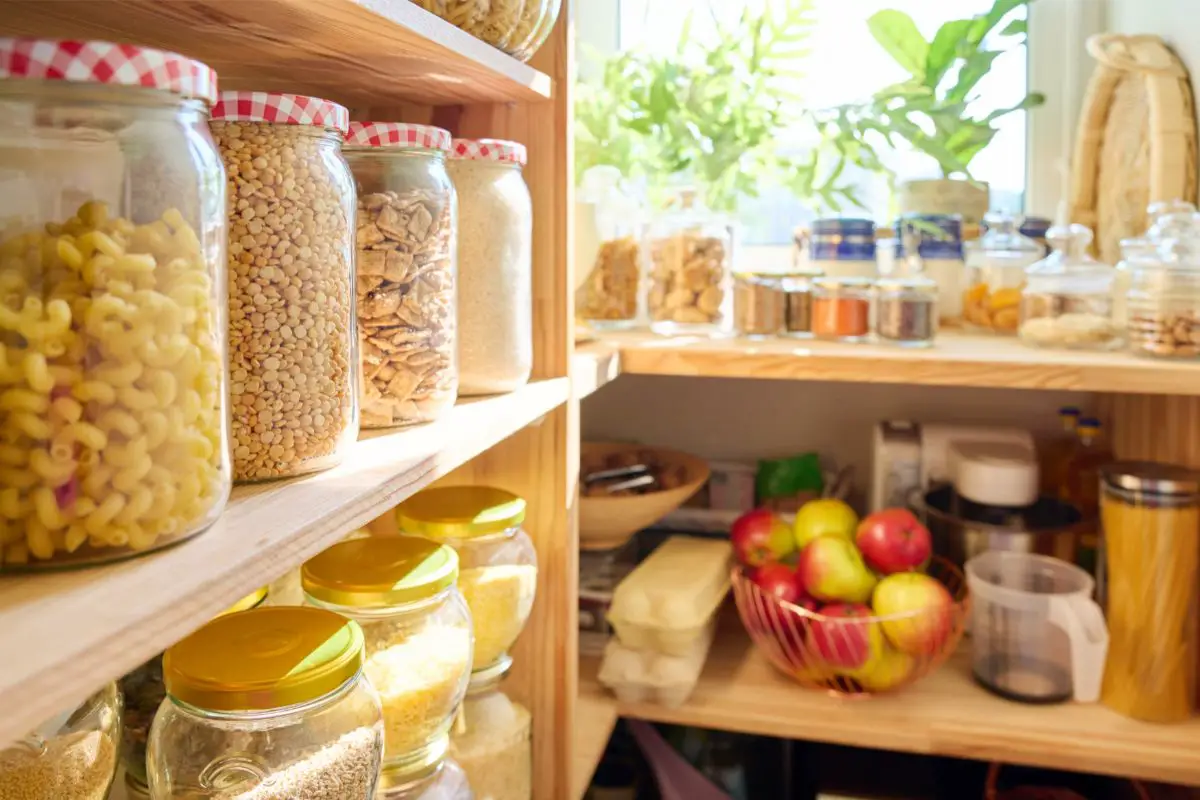
There always seems to be something in there that we never use! Okay, more like dozens of things we can’t find a use for.
Last year, we had enough. We didn’t want to throw all the food out and waste it, but we also craved that satisfying clearout! That spurred my year-long quest to figure out how to use all of those untouched ingredients sitting lonely at the back of our pantries.
And now I want to enlighten all of you!
Before we jump into the most useful article of our lives, we quickly wanted to say a warm hello to our new readers from azchia.com. We have recently acquired the site and are so excited to bring together our two readerships.
Chia Seeds
Don’t even get us started on how many half-open packs of chia seeds we have in our pantry. What do we need them for? Did we just keep buying them to try the viral Tik Tok chia seed water detox and just forget about them, pushing them further and further back into the cupboard?
If you have a load of leftover chia seeds in your pantry, too, our favorite thing to do is make chia pudding. Chia pudding is creamy, and delicious, and comes with all of the health benefits that chia seeds offer.
You can make whatever chia pudding you desire! Our favorite is this coconut chia pudding, but the possibilities are endless. You can even make it keto-friendly if you’re following the diet.
Noodles
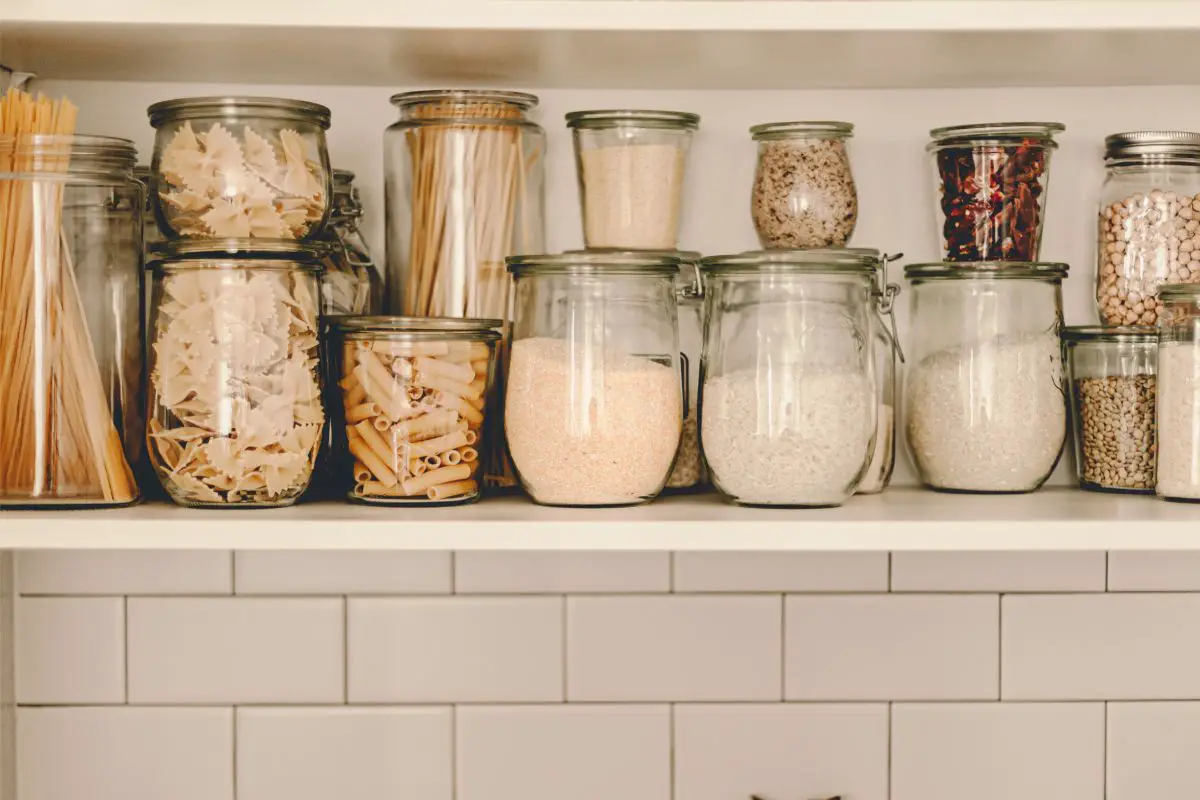
We don’t know why, but we always seem to have an endless supply of noodles in our pantry. We just keep buying them. Do you know if we have enough noodles at home for the recipe we want to make? Ah, just buy some more!
Now we’ve got endless packets of noodles in our pantry and nothing to do with them. Until today!
Our favorite thing to do with noodles has got to be a stir fry. Easy and quick to whip up with some veggies and soy sauce, you could use all your leftover noodles and live off stir fry for weeks! There are plenty of recipes out there for you to try.
Noodle dishes are almost always quick to make. Think of it as a blessing that you’ve hoarded so many packets – now you have easy dinners to enjoy for the foreseeable.
Peanut Butter
Again, we love peanut butter. But do we need a massive jar of it open in our pantry when we only use it once every few months?
Since actively searching for new recipes to get that peanut butter used up, my pantry has been noticeably quieter. Plus, peanut butter makes everything taste better, so it’s a win-win!
My absolute favorite peanut butter recipe that I’ve learned this year is peanut butter noodles. They don’t take long to make and taste absolutely divine. And I got to use two long-time pantry lurking ingredients, which was a bonus.
Another five-minute option is peanut butter protein balls, which I now always stock my freezer with. We simply defrost them overnight the day before we want to eat them and are left with a tasty snack in the morning.
Oats
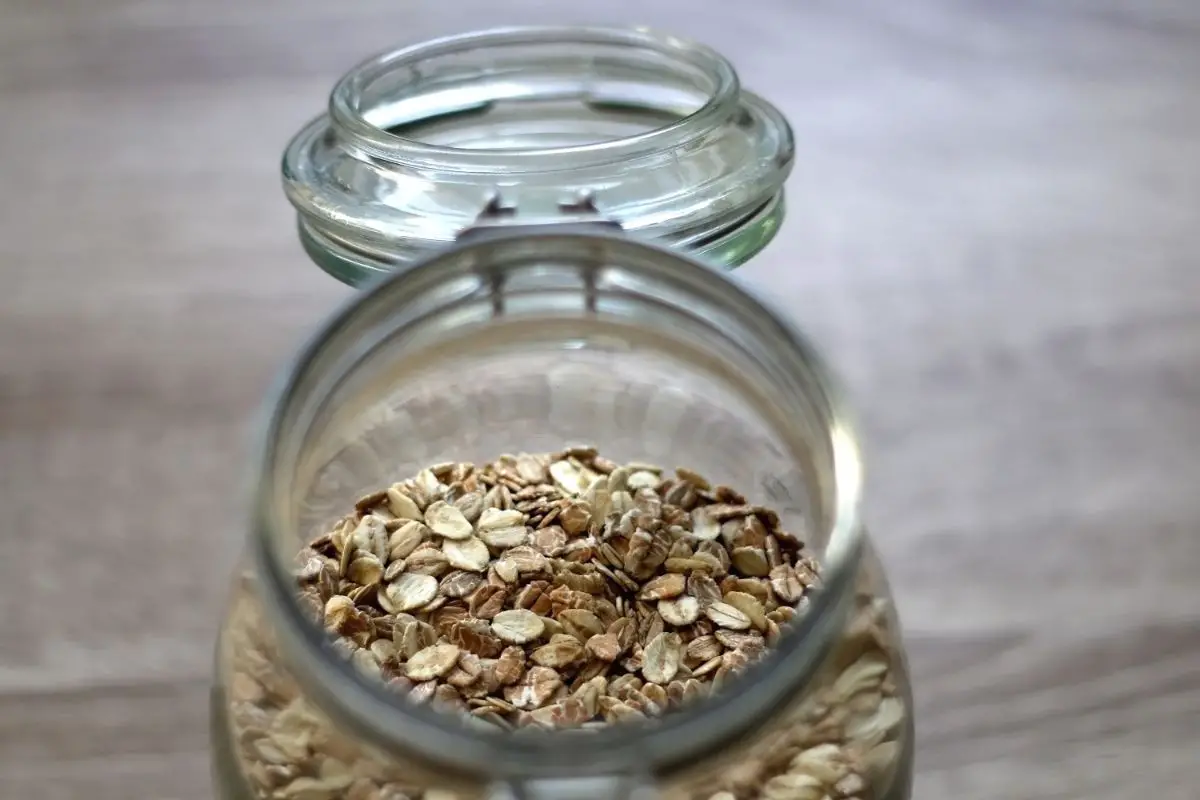
Where do we even get started on oats? Sure they’re useful in everything, but did you know that they go rancid? Before we made a batch of oat bars with rancid oats, we didn’t have a clue!
You can imagine our faces when we first bit into a rancid oat bar…
Ever since that harrowing experience, I’ve been on the lookout for new ways to make sure there are no oats left in my pantry for too long. The results have been delicious.
Before researching, the only thing we could come up with for the leftovers was overnight oats. While yummy and a great energy booster, we didn’t feel like having them for the next 100 mornings.
Out came detective mode. Instantly, we wanted to try the blueberry oatmeal muffins. Instant win with adults and kids, and we would highly recommend them. No birthday party is without them!
We also made a massive oatmeal protein cookie (vegan) for our friend’s birthday in June, and it was a fan favorite with everyone. It’s now our go-to when we’re not feeling like making a massive cake.
Oats are excellent for protein, and they can also be blended perfectly into a smoothie. This oatmeal smoothie recipe leaves you with a crave-curbing, thick drink that tastes absolutely divine.
Failing that, you could always whip yourself up a big batch of muesli to liven up your breakfasts!
Tofu
While tofu isn’t strictly a pantry item, it is essential in our vegetarian kitchen – and we always seem to buy too much of it. As we set out on a journey to find out what to do with all of our leftover tofu, we found that most of our favorite recipes still use plenty of leftovers from the pantry.
Our favorite has to be the tofu sofritas, which is a copycat recipe for the Chipotle Mexican sofritas. They’re so good and have a zingy kick to them, perfect for any night of the week. This is now one of our go-to meals.
Another excellent recipe we found was for green Thai tofu curry, which in our opinion tastes exactly like a chicken green curry. The sauce is creamy and slightly spicy, and the soft tofu really brings it all together.
Our kids absolutely love orange tofu and mapo tofu, as they’re more mellow on the spice scale.
When we’re running out of time to make a cohesive dinner, vegan fried rice and tofu never misses the mark. Seriously, this is a fan favorite every single time we make it.
Grains, Legumes, And Nuts
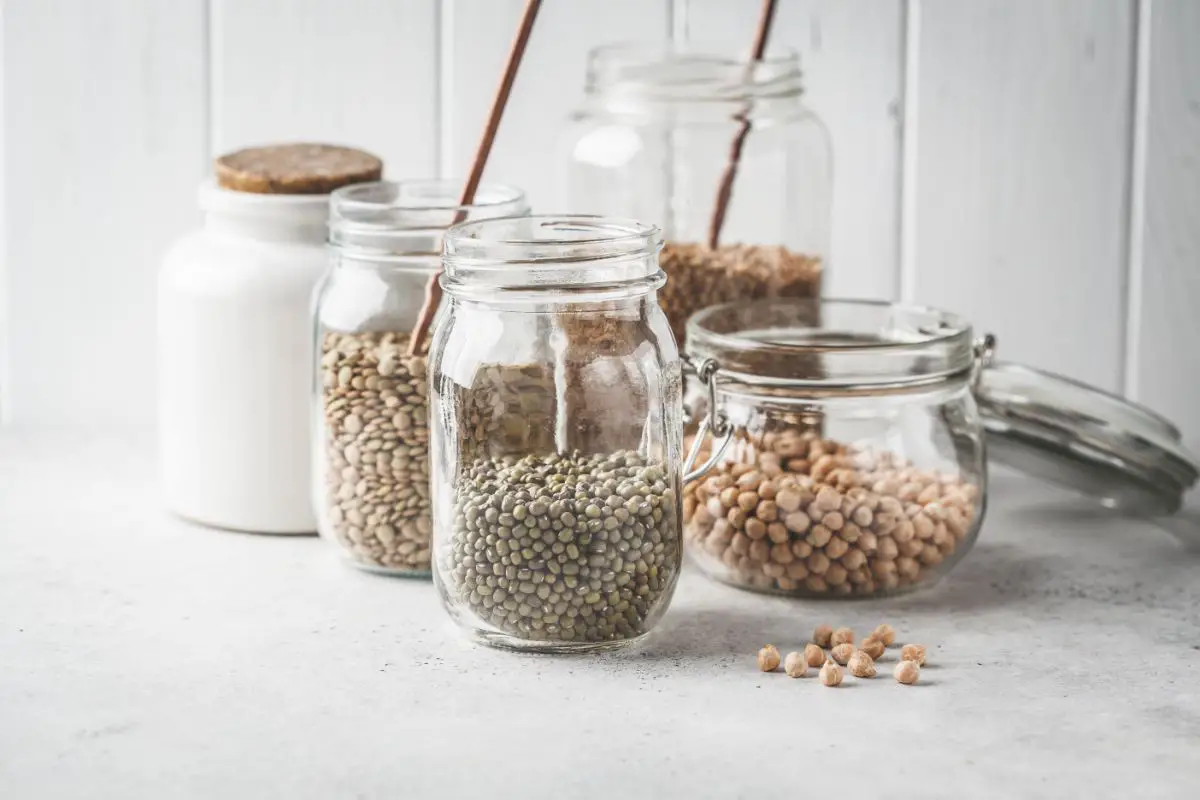
We don’t know about you, but we really struggle to keep on top of all of the beans and legumes we have in our pantry. Why do we need to buy a massive bag of something that we’re only going to use once and then forget about for the rest of the year?
The top shelf of our pantry is lined with opened bags of grains, legumes, and nuts. We sought to change that, and boy did we stumble on some golden recipes.
Firstly, all our sesame seeds were turned into sesame ginger sauce, used on things like tuna tartare and noodles (if we ever had any noodles left!).
Lentil curry has always been a favorite of ours, so we expanded our horizons and found new and exciting curry dishes to make with all of our leftovers. This lentil stew recipe is also vegan and a household favorite. You can add as much or as little as you want, switching up the flavors each time.
We always have a bag of half-used nuts lying somewhere in our pantry, but finding new things for these wasn’t too difficult. Our kids love helping us make pumpkin pecan brownies, and we’ve even substituted the nuts for any we find in the pantry a few times, too.
If you have the time to make your own flour from your leftover almonds, this recipe for almond flour waffles is a must-try. Our mouths are watering just at the thought!
What’s the deal with quinoa? Do we all just buy it when we’re on a health kick, use it once or twice, then push it to the back of the pantry to be forgotten about for months… just us?
Well, not anymore! We have found a new love and appreciation for quinoa, using it in Tabbouleh and Mediterranean salads. Quinoa instantly takes any salad from zero to hero in our books, but these recipes are our summer party must-haves.
Making The Most Of Your Pantry
Now that we’ve given you some idea on how to use up the leftovers in your pantry, here are some tips to keep you organized so that it never gets too difficult to manage again.
- Group Similar Foods Together
It’s going to be easier to see what you have in your pantry if you group all of the foods together. For example, keeping all your rice, pasta and noodles together will ensure that when you go looking for a base for your meal, all of your options are right there in front of you.
Without doing this, it would be next to impossible to look for all of the options.
Similarly, group together foods in similar diets and by the frequency of use. If one member of your household is following a diet, such as Paleo, make sure that you group all of this food together so that they can easily see their accessible foods.
- Decant Into Reusable Jars
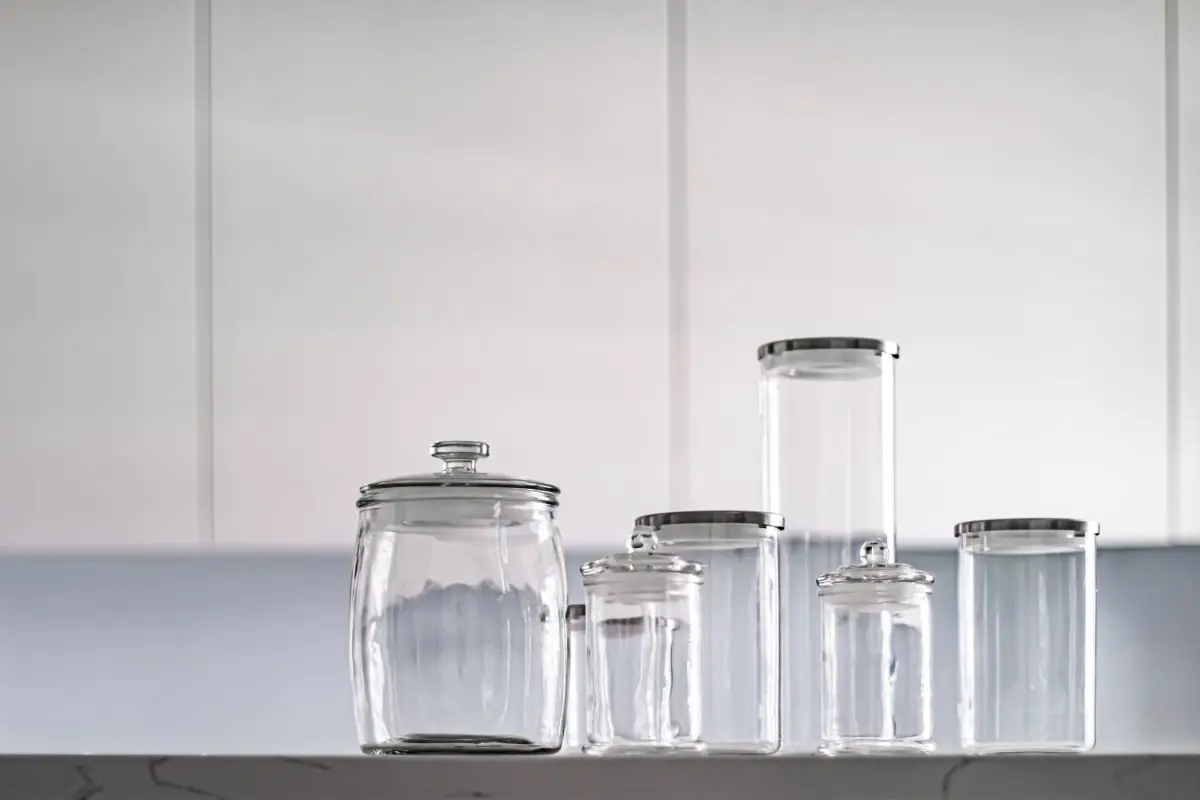
Reusable jars are not only aesthetically pleasing, but they’re also incredibly helpful when stocking your pantry. Glass or plastic containers allow you to see what ingredients you have plenty of, and what you’re lacking.
This can help you replenish as and when it is needed, and also gives you a clearer view of what you have and how you can pair the ingredients together to use them up.
Decanting is not only good for organization, but it also helps to keep your food free from contamination. It’s a win-win, and it also frees your pantry of annoying plastic food bags that make it impossible to see everything in your pantry.
- Utilize A First In, First Out System
It’s a good idea to make sure that, whenever you’re restocking your pantry, you’re always putting the new food at the back of the pantry. This pushes the older food to the forefront to make sure that the old food doesn’t go bad as you use the new food first.
If you use reusable containers to organize your pantry, make sure that you pour the old food out before adding the new food to the bottom, then replenishing it with the old again. This ensures that you use the older food first.
- Keep A Stock List
If you find that you have too much food to keep track of, we find it helpful to keep a list of everything we buy. We started the list when we first removed everything from the pantry to see what we had, decanting everything for a new start.
Then, any time we bought something new for the pantry, we added it to the stock list with the date we bought it. This gives us an easy-to-read idea of what we currently have so that we can plan meals around it.
This has been the number one reason we’ve been saving money! We no longer buy too much of one thing, and we are more mindful of how we’re using our current food to avoid waste.
Summary
Thanks for reading our guide on how to keep your pantry clear of leftovers! Since being more mindful about how we use each of our ingredients, and making sure that we use things up before buying new, we have seen an incredible change.
Not only is our pantry now clean and organized, but we’ve also saved money! It has forced us to expand our palette horizons and try new things, some of which have become new family favorites.
We urge you to try this for yourself and get to know your leftover food a little more. Who knows, you might be sitting on your new signature dish.
